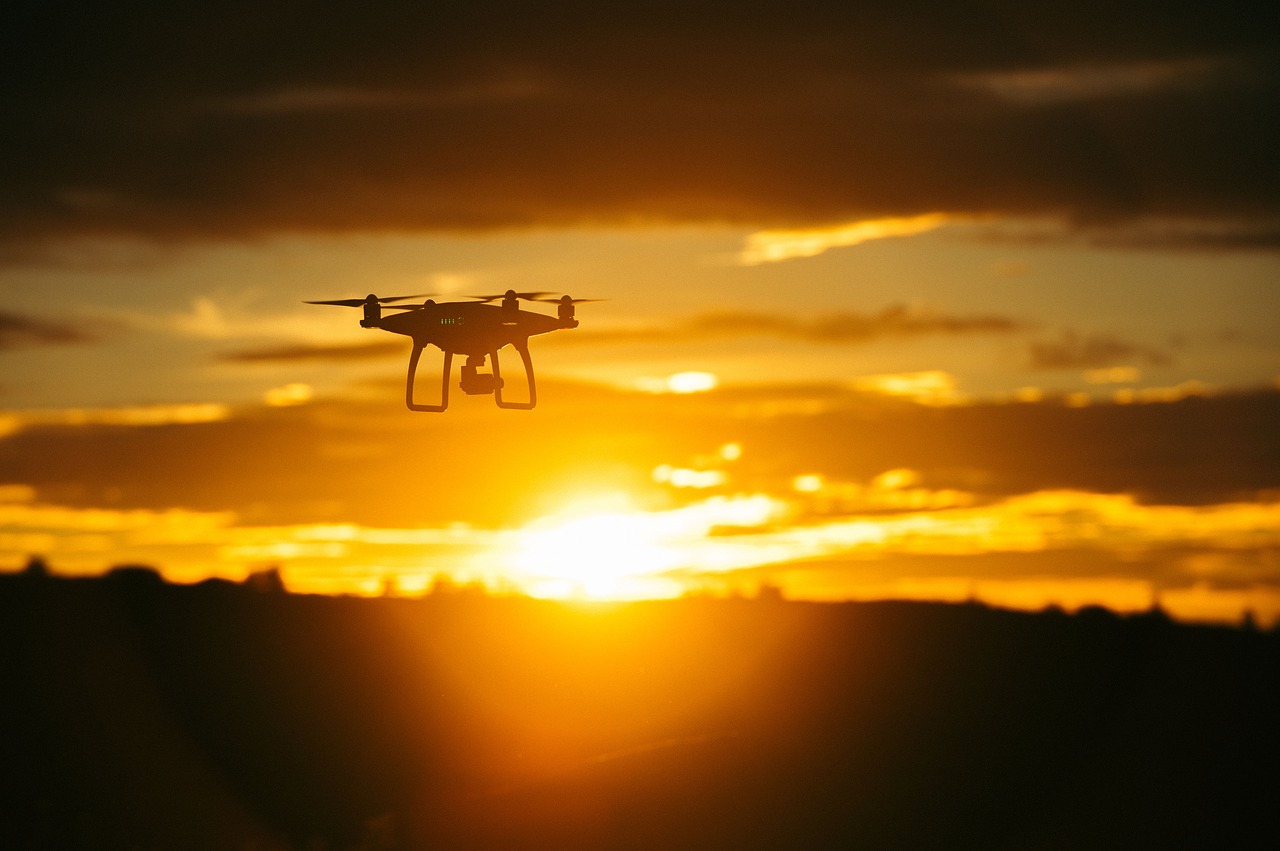
Drones have managed to globally perform multiple segments in the economic arena ranging from recreational to agriculture.
We have seen how drones are tapping into different markets since its grand entrance few years ago, marketing the multi purposes of drone to aid in today’s 20th century farming. It may be in the industry for a while now but companies are stepping up their game and deploying technology to increase productivity. They are incorporating more advanced methods into farming available in the market to deliver more yield as food consumption are on the rise. Increasing work efficiency and productivity, decreasing workload and production costs, are a few of top uses the drones have to offer in the agriculture industry.
What lies ahead . . . . .
With the ability to conduct soil health scans, monitor crop health, apply fertilizers, irrigate fields, track weather and project potential yields and even collating and analysing date for instantaneous action, drones hold the potential to transform and revolutionize the agriculture industry. By mechanizing farming and eliminating the costs of human errors, farmers are able to react to counter possible threats such as outbreaks enabling them to maximize yield and in turn income.
Big boys
We have seen how drones are tapping into different markets since its grand entrance few years ago, marketing the multi purposes of drone to aid in today’s 20th century farming. It may be in the industry for a while now but companies are stepping up their game and deploying technology to increase productivity. They are incorporating more advanced methods into farming available in the market to deliver more yield as food consumption are on the rise. Increasing work efficiency and productivity, decreasing workload and production costs, are a few of top uses the drones have to offer in the agriculture industry.
United States and Japan are the leaders in drone technology and have being utilizing such technology to measure, observe and respond to various variables found in crops ranging from automated plants to crop management.
Honeycorp Ag Drone – With a wing composed of Kevlar fibre, it is extremely durable and versatile making it suitable for the rough field work Agriculture commands.
DJI Matrice 100 – Boosting an extended flight time of 40 minutes thanks to its dull battery components makes it a good choice for farmers and agrichemists
DJI T600 Inspire 1 – protected by a carbon fibre frame and armed with 4k video recording capability, agrichemists are able to record cinematic videos with separate flights and camera controls.
DJI Agras MG – 1 – this big boy aspires to replace farmers boosting the spraying ability to cover 4000 – 6000 mz in a matter of 10 minutes with 40-60 times the efficiency of normal spraying.